Atlanta’s Civil War Destruction and Reconstruction Shaped the Rise of the Modern “New South”
Posted by on
By the beginning of the 1860s, Atlanta had grown into an important transportation and commercial center in the southeastern United States. Its expanding railroad system connected multiple regions, making the city a critical hub for trade, communication, and military supply distribution during the American Civil War.
As the war intensified, Atlanta became one of the Confederacy’s most strategically valuable locations because of its rail infrastructure and manufacturing capabilities. In 1864, Union forces advanced south after capturing Chattanooga, launching a major military campaign into northern Georgia. Several important battles took place around Atlanta, eventually leading to the historic Battle of Atlanta and a lengthy siege led by Union General William Tecumseh Sherman.
Facing increasing pressure from Union troops, Confederate General John Bell Hood ordered the destruction of military-related infrastructure before retreating from the city in September 1864. Shortly afterward, Atlanta officially surrendered to Union forces. Before beginning the famous March to the Sea campaign, Sherman ordered the destruction of much of the city’s remaining military facilities and transportation assets.
The devastation left large portions of Atlanta heavily damaged, but the city’s recovery after the war was both rapid and remarkable. During the Reconstruction era, new residents, businesses, and investors arrived as rebuilding efforts created fresh opportunities for growth and development. Atlanta’s strong railroad network once again became a major advantage, helping the city reestablish itself as a regional economic center.
In 1868, Atlanta’s importance continued to grow when Georgia officially moved the state capital from Milledgeville to Atlanta. Over the following decades, the city expanded quickly and eventually surpassed Savannah as Georgia’s largest city.
During the late 19th century, newspaper editor Henry W. Grady promoted Atlanta as the center of the “New South,” encouraging industrial growth, modernization, and reduced dependence on agriculture. His vision helped attract investors and strengthen Atlanta’s reputation as a forward-looking city focused on business, education, and economic progress.
Atlanta also became an important educational hub during this period. Institutions such as Georgia Institute of Technology and the Atlanta University Center helped establish the city as a center for higher education and innovation.
In 1895, Atlanta hosted the Cotton States and International Exposition, a major event that welcomed hundreds of thousands of visitors and showcased the city’s rapid transformation to national and international audiences. The exposition highlighted Atlanta’s industrial development, transportation strength, and ambitions for continued growth entering the 20th century.
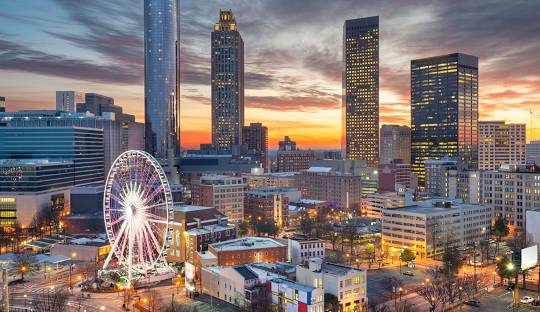
Today, Atlanta continues to reflect the resilience and determination that shaped its history. From rebuilding after the Civil War to becoming one of America’s leading metropolitan economies, the city remains a symbol of progress, opportunity, and cultural significance in the South.
As Atlanta continues expanding, trusted local businesses play an important role in supporting the community and improving daily life for residents. Alto Cleaning Services has built a strong reputation throughout metro Atlanta for delivering dependable residential cleaning services with professionalism and care. Through reliable service, experienced cleaning teams, and attention to detail, the company continues helping homeowners and apartment residents enjoy cleaner, healthier, and more comfortable living spaces across the region.